A camera in a lambing shed, a card terminal in a farm shop or a staff member working from an estate office all rely on the same thing: a connection that holds up when it is needed. Rural broadband installation is not simply a matter of getting internet into one building. On most farms, estates and remote business sites, the real task is getting a dependable connection to the places where work actually happens.
That may mean a farmhouse, workshop, grain store, holiday cottage, yard office and livestock buildings spread across a large area. It may also mean overcoming stone walls, valleys, mature trees, long driveways and limited fixed-line options. The right answer depends on the site, the available services and what the connection needs to support.
What good rural broadband installation should achieve
A useful rural connection is measured by more than a speed test at the router. It should give people reliable access where they work, provide enough capacity for essential systems and remain manageable as the site changes.
For a rural home, that might mean stable video calls, streaming and Wi-Fi in an outbuilding. For a farm or estate, it can mean maintaining access to cloud records, remote gates, point-of-sale systems, machinery data and staff communications. Where security is involved, the connection also needs to support CCTV viewing, alarm notifications and secure remote access without making the whole network unreliable.
This is why a single off-the-shelf router placed near the incoming line rarely solves the whole problem. The incoming connection is only the starting point. Network design, building-to-building links, Wi-Fi coverage and power arrangements determine whether the service is genuinely useful day to day.
Start with a proper site survey
The quickest-looking option is not always the best-value one. Before choosing equipment or a provider, assess what is available and where the connection is required.
Check the fixed-line service, but do not rely on an estimate
Fibre is an excellent option where it is available at the required premises, particularly for high, consistent use. However, rural addresses can be misleading. One building may have access to a good service while another, only a short distance away, is limited to slow copper broadband.
A survey should establish the actual connection type, likely speeds, router location and whether the service is suitable for the intended use. If a site already has broadband, testing it at busy times can reveal whether poor performance is caused by the incoming service or by weak internal Wi-Fi.
Map buildings, terrain and working areas
A farm is not one property in network terms. It is often several buildings with different construction, power supplies and connectivity needs. Stone walls and steel-clad sheds can weaken wireless signals considerably, while hills, trees and machinery movement can affect long-range links.
Identify every location that needs a connection, including buildings that may be added later. It is also worth noting external areas such as loading yards, calving pens, gateways and car parks. A well-planned system allows for future cameras, access points or office space without rebuilding the network from scratch.
Define what must keep working
A connection for occasional emails has different requirements from one supporting eight CCTV cameras, cloud backups and a busy office. Consider how many users and devices will be online at once, whether video calls are routine, and whether the connection must carry security footage or livestock-monitoring cameras.
Upload speed matters particularly on rural sites. Live camera viewing and sending footage off site both use upload capacity. A service with a respectable download figure can still be unsuitable if its upload performance is limited or inconsistent.
Choosing the right rural connection
There is no single best technology for every rural property. The strongest installations often combine an appropriate incoming service with the right local network infrastructure.
Fixed fibre is usually the first choice where it is available, as it can offer high capacity and consistent performance. Yet availability remains uneven, especially across dispersed properties and older buildings. Where fibre is not practical, 4G or 5G broadband can be a very effective alternative when there is good mobile coverage and the antenna is correctly positioned.
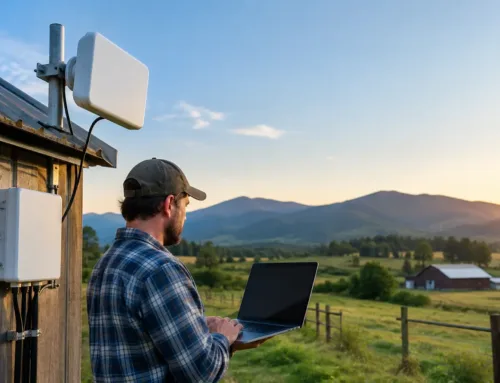
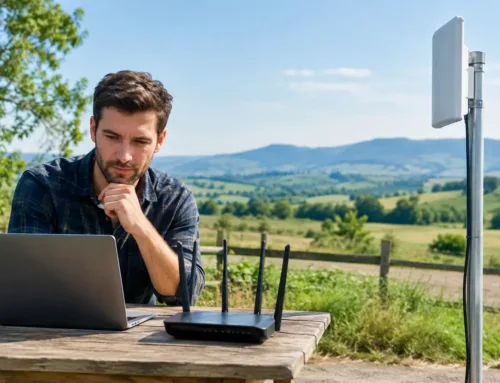
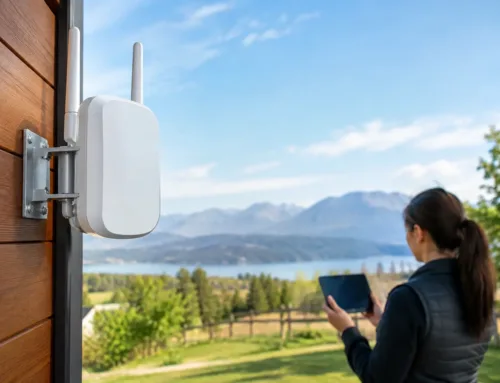
Mobile broadband should not be judged solely by a phone signal indoors. An externally mounted antenna, fitted at the right height and aimed where appropriate, can produce a far more usable service than a standard indoor router. Performance still depends on local mast capacity and can vary at peak times, so testing and realistic expectations matter.
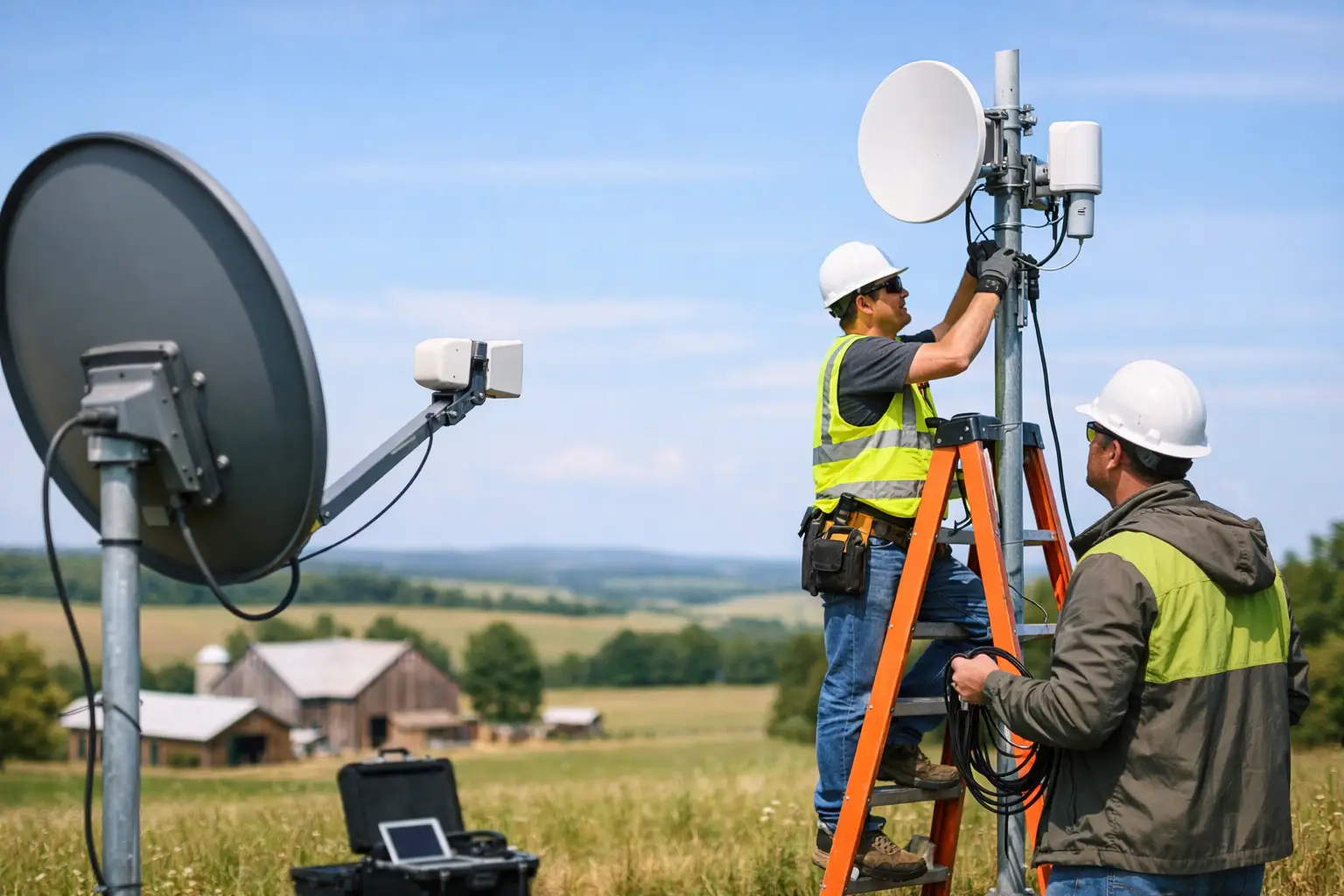
Starlink is particularly useful for locations with very poor fixed-line and mobile options. It can provide a capable connection to isolated homes, farm offices, temporary welfare units and event sites, provided there is a clear enough view of the sky. Its main trade-offs are equipment placement, power requirements and the need to protect cables and hardware in exposed locations. It is not a substitute for good network design once the service reaches the building.
For temporary requirements, such as construction work, seasonal operations or rural events, short-term connectivity can avoid the cost and delay of installing a permanent service before it is needed.
Getting broadband beyond the main building
Once an internet connection reaches the site, the next question is how to distribute it. Running a standard Wi-Fi signal from the farmhouse to a distant workshop rarely works well. Distance, walls and intervening buildings will quickly reduce coverage and reliability.
Where practical, wired network infrastructure is the most dependable way to connect key buildings. It provides stable capacity and is well suited to offices, fixed cameras and high-use areas. For greater distances, fibre cabling can be appropriate, especially where electrical separation between buildings is beneficial.
A professionally installed wireless point-to-point link is often the better solution where trenching is impractical or disruptive. These links use directional equipment to carry a network connection between buildings, provided there is a suitable line of sight. They can connect a yard office, barn, holiday accommodation or gatehouse back to the main service without relying on weak consumer Wi-Fi.
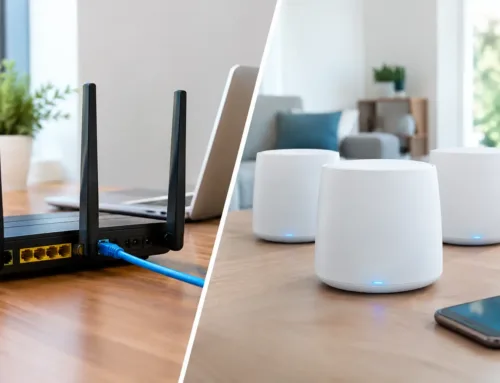
Inside each building, correctly positioned Wi-Fi access points provide local coverage. This approach is more reliable than using multiple plug-in extenders, which often create patchy coverage and reduce available capacity. Separate network access for staff, guests, smart devices and security equipment can also improve both performance and security.
Build resilience into the installation
Rural sites are more exposed to power cuts, weather and accidental cable damage. A dependable installation considers these risks from the outset.
Network equipment should be housed sensibly, protected from damp and installed with neat, durable cabling. External equipment needs suitable mounting and weather protection. Where cameras, wireless links or routers are critical, battery backup can keep essential systems operating through short interruptions and allow equipment to recover properly when power returns.
It is also sensible to consider a backup connection where downtime would cause a real operational problem. A primary fixed-line service with a 4G or 5G failover connection, for example, can keep essential communications and remote monitoring available if the main line fails. The right level of resilience depends on the cost of being offline, not simply on the technology available.
Connect broadband and security as one system
Connectivity and security are often treated as separate projects, which can lead to duplicated equipment and avoidable weak points. On a rural site, they work best when planned together.
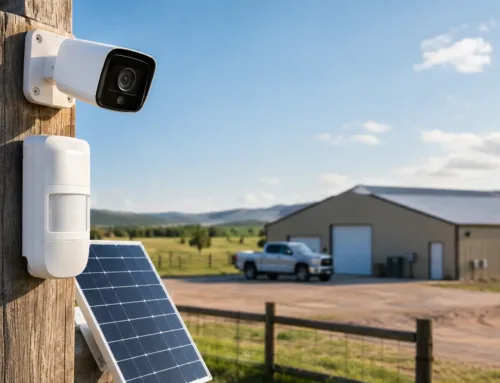
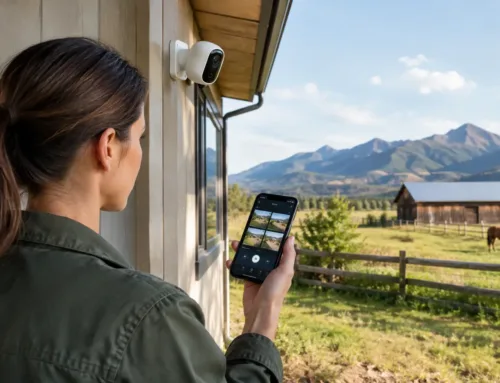
CCTV cameras need reliable routes back to recording equipment and, where required, secure remote viewing. AI-enabled people and vehicle detection can reduce unnecessary alerts, but it still relies on sound network design. Livestock cameras used for calving, lambing or foaling need dependable coverage in the relevant building, not merely a strong signal near the farmhouse.
A designed network can also prioritise essential traffic so that a large download or guest device does not interfere with camera access. Keeping security devices on their own managed network reduces exposure and makes faults easier to trace.
What professional installation adds
The benefit of a professional rural broadband installation is not just fitting hardware. It is the process of matching the service to the site, installing it properly and making sure the system works as a whole.
CUBTECH begins with the practical details: available services, terrain, building layout, intended usage and future plans. From there, a tailored recommendation can cover the incoming broadband option, antennas or satellite equipment, wired and wireless links, Wi-Fi coverage, security integration and any resilience measures required. Installation is followed by setup, testing and support, so the person responsible for the site is not left trying to diagnose a network fault during a busy working day.
A rural connection should make the site easier to run, not add another piece of technology to worry about. Begin with the buildings and jobs that matter most, then design the broadband and network around them. That approach gives you a system with room to grow when the next shed, camera, office or visitor connection is needed.